Chargers with Qi 2.0 – a must-have for all iPhone owners
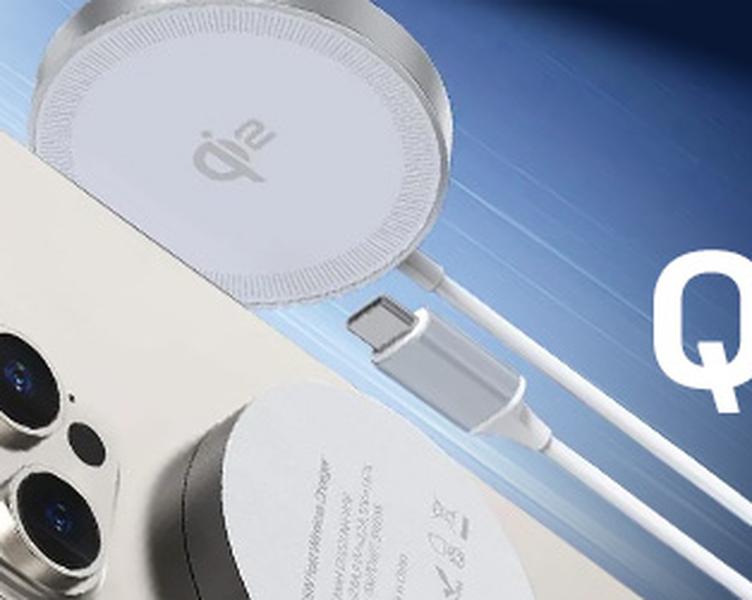
Wireless charging technology is developing at a breakneck pace. Recently, chargers supporting Qi 2.0 charging have appeared on the market. What does this mean for the user in practice? How can the customer be explained the differences between the current and new charging standards? Is this product really a revolution, and will all customers benefit from it? Let’s take a look.
Chargers with Qi 2.0 – a must-have for all iPhone owners
Wireless charging technology is developing at a breakneck pace. Recently, chargers supporting Qi 2.0 charging have appeared on the market. What does this mean for the user in practice? How can the customer be explained the differences between the current and new charging standards? Is this product really a revolution, and will all customers benefit from it? Let’s take a look.
How does Qi 2.0 work, and does it change anything?
Qi 2.0 is a new version of the wireless charging standard developed by the Wireless Power Consortium. Qi 2.0 introduces several improvements, including increased charging power, energy efficiency and improved compatibility with a wide range of mobile devices… and is especially attractive to Apple users. Why?
One of the critical features of Qi 2.0 is the charging power, which reaches up to 15 W also – or maybe especially – with iPhones. Until now, users could only charge them at this level using certified (original or MFi-certified) chargers. The power of the remaining products was around 7.5 W. Introducing the Qi 2.0 standard means iPhone owners can use chargers from other manufacturers, achieving the same power as the original and certified accessories.
We especially recommend Forcell chargers: the Flip Charge and Smart Charge wireless chargers, the Cool Mag and Rapid Charge car holders, and the 3-in-1 MagNetix wireless charger.
In addition, the Qi 2.0 standard also provides better heat management, thus minimising the risk of devices overheating while charging.
Compared to wired charging, Qi 2.0 offers greater convenience without connecting cables. Of course, it still does not match the charging speed of wired standards such as Quick Charge 4.0 or Power Delivery, which can deliver power of up to 100 W and more.
What doubts may a customer have about Qi 2.0?
One key question a customer may ask when purchasing a charger with Qi 2.0 is whether it is compatible with older devices. Qi 2.0 chargers use full power to charge devices that support this standard—and quite a few are on the market. Such a charger can charge all MagSafe®-compatible iPhones (i.e., from model 12 and up), as well as newer Xiaomi, Huawei, or Samsung models.
The chargers can also be used to charge older devices – they will not be damaged, and the charging will not reach the highest capabilities offered.
Is it worth introducing products with Qi 2.0 charging to your offer?
Qi 2.0 chargers will first attract iPhone users with the 12 model or newer. A better price and broader selection will increase the already immense popularity of wireless charging. The new chargers will also be helpful for users of phones from other brands, such as Xiaomi, Huawei, or Samsung, but they will mainly be an extension of the existing offer.
There are currently many products on the market that are not based on the Qi 2.0 license. One of the requirements for obtaining it is, among others, placing the Qi 2 logo on the device. All Forcell brand Qi2 accessories are licensed and compatible with the Qi 2.0 standard, making them fully safe for devices.
Summary
The introduction of the Qi 2.0 standard is essential for iPhone users. Now, they can select from many products at an attractive price while achieving the same charging possibilities as when choosing original, expensive accessories. It is worth introducing chargers with Qi 2.0 support to your offer to gain a satisfied group of customers.