EU mandates USB-C as the new standard
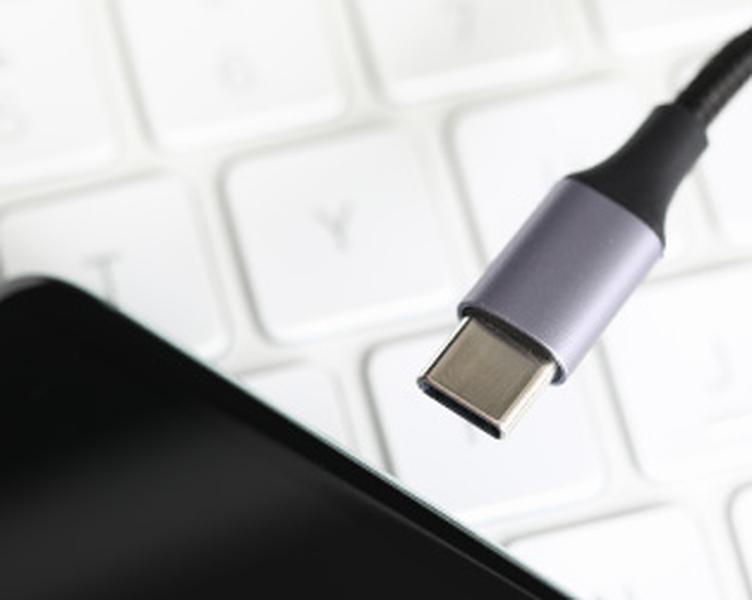
Starting in December 2024, electronic devices sold in the European Union must be equipped with a universal USB-C port. Since the directive was adopted in 2022, manufacturers have had two years to make changes and adapt their products to the new requirements. The legislation aims to standardize ports on smartphones, tablets, laptops and other electronic devices, significantly affecting the electronics market. What changes does introducing a USB-C port as a mandatory standard bring, and what benefits will consumers experience as a result?
Starting in December 2024, electronic devices sold in the European Union must be equipped with a universal USB-C port. Since the directive was adopted in 2022, manufacturers have had two years to make changes and adapt their products to the new requirements. The legislation aims to standardize ports on smartphones, tablets, laptops and other electronic devices, significantly affecting the electronics market. What changes does introducing a USB-C port as a mandatory standard bring, and what benefits will consumers experience as a result?
USB-C as an EU standard
Work on the EU's 2022 directive has been underway for several years and resulted from lengthy consultations. The standardization of the USB-C connector is expected to positively impact the environment and significantly increase consumer convenience by eliminating the need for various cables and chargers for smartphones, tablets or other electronic devices. Moreover, the new regulations are expected to bring savings – users will not be forced to buy additional accessories whenever they change equipment. It is worth noting that the requirement applies only to new devices launched after the regulation goes into effect, which means that equipment introduced before December 28, 2024, will remain on sale unchanged.
One charger for all devices
Effective from the end of 2024, the EU directive covers various electronic devices, such as smartphones, tablets, e-readers, headphones, portable speakers, cameras, keyboards, computer mice and portable gaming consoles. Laptops have been given a longer transition period to allow manufacturers to comply with the new requirements. For them, the mandatory universal USB-C port will not take effect until April 28, 2026, allowing the changes to be implemented smoothly in the market.
Universal USB-C port – benefits
The originators of the EU directive emphasize that the new regulations will bring many benefits, such as reducing e-waste and actual savings for consumers. One of the key premises of the regulation is to make it mandatory to offer devices both with and without a charger, giving users more freedom of choice. In the face of these changes, multi-port USB chargers with several USB-C ports are becoming the perfect solution. They allow simultaneous charging of multiple devices, thus helping organize space and eliminating the need for numerous separate chargers.
The new regulations only apply to charging ports on devices—every new device must have at least one USB-C connector. However, the regulations do not make USB-C mandatory for accessories such as cables or chargers, which can still be manufactured using other standards (such as Lightning® or micro USB). Their popularity is expected to decline gradually.